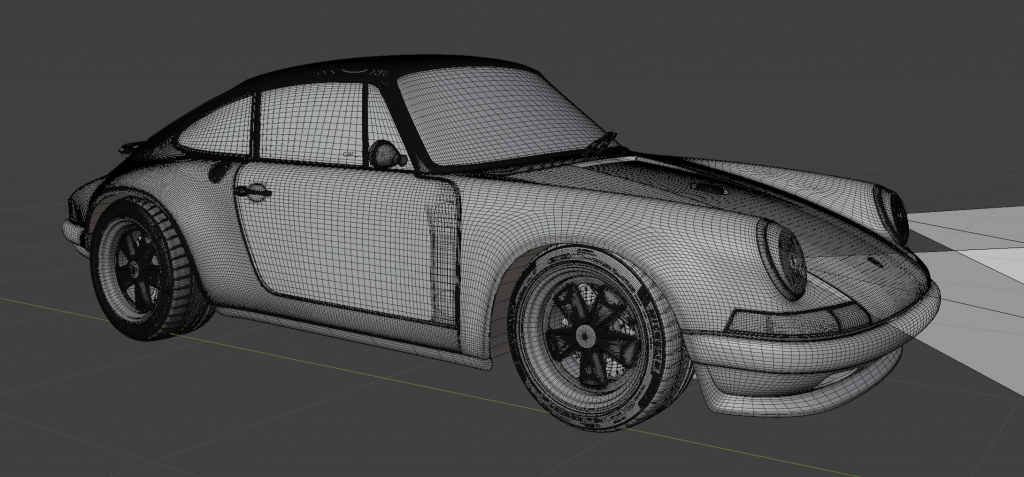
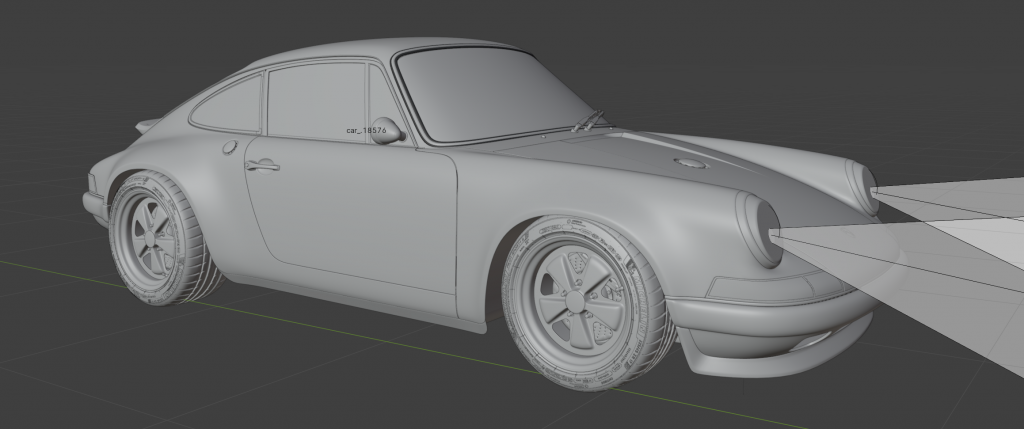
Basic materials using car paint, 3 layers material
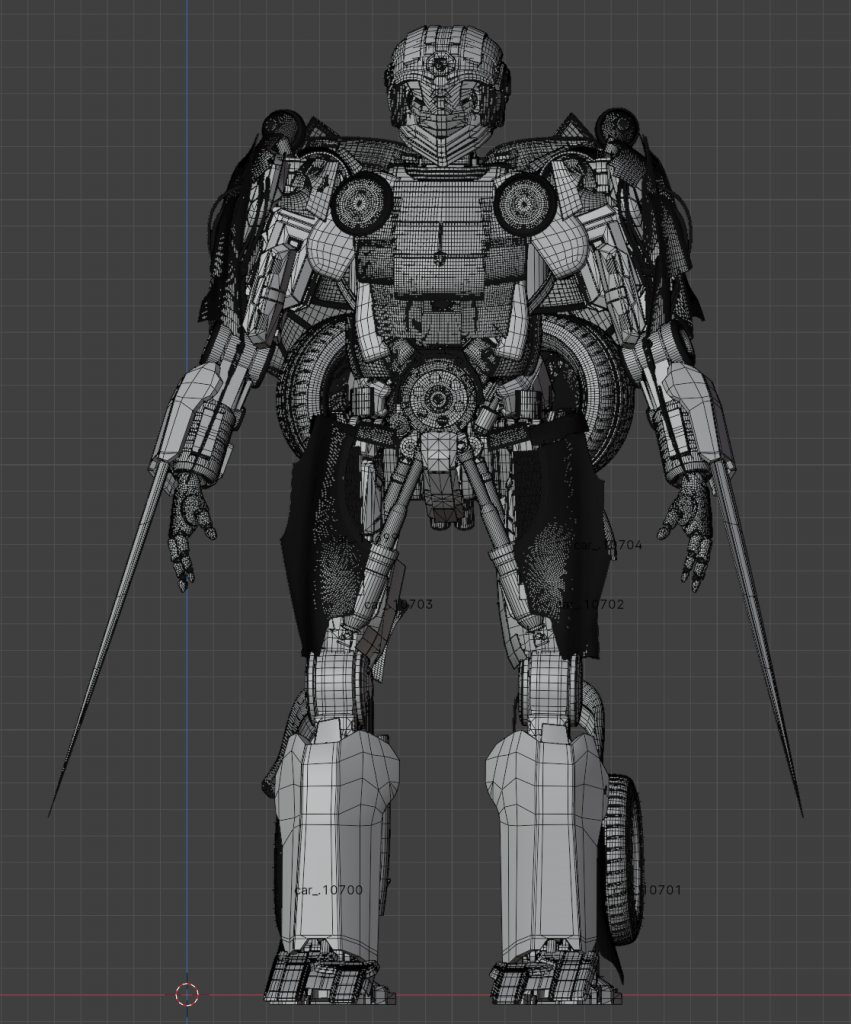
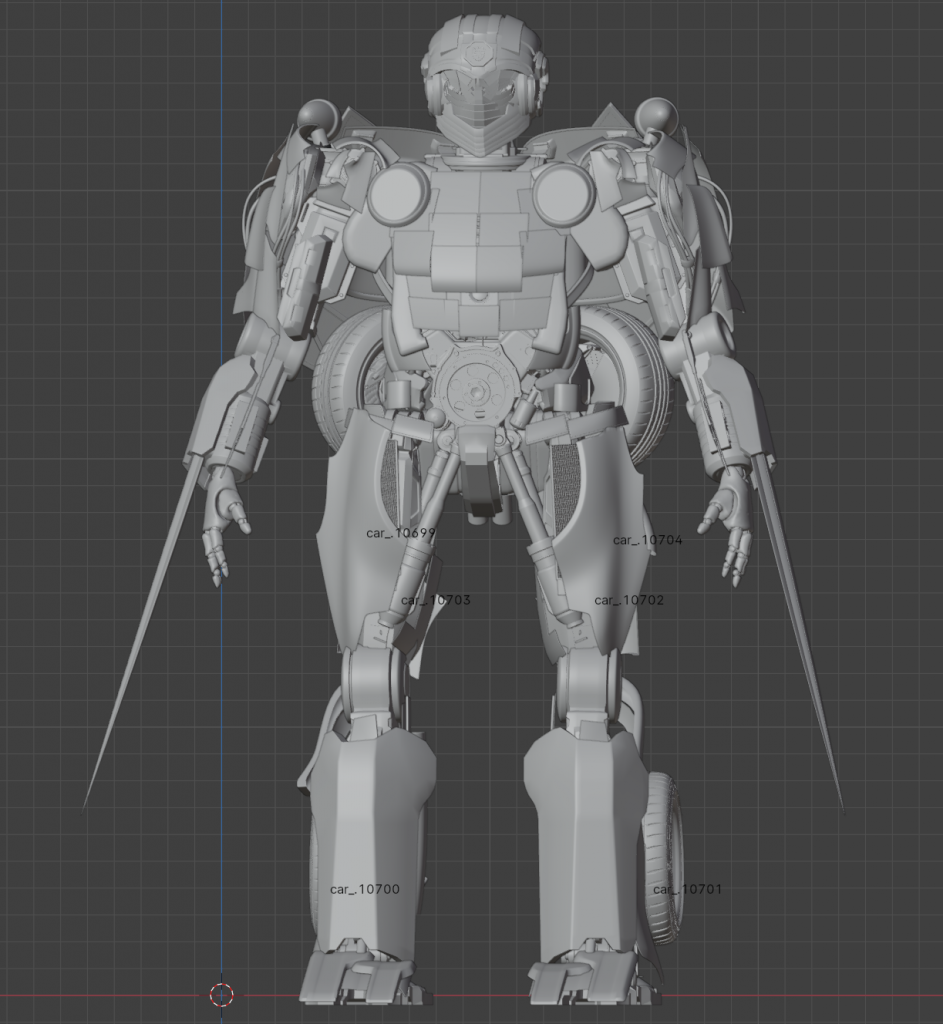
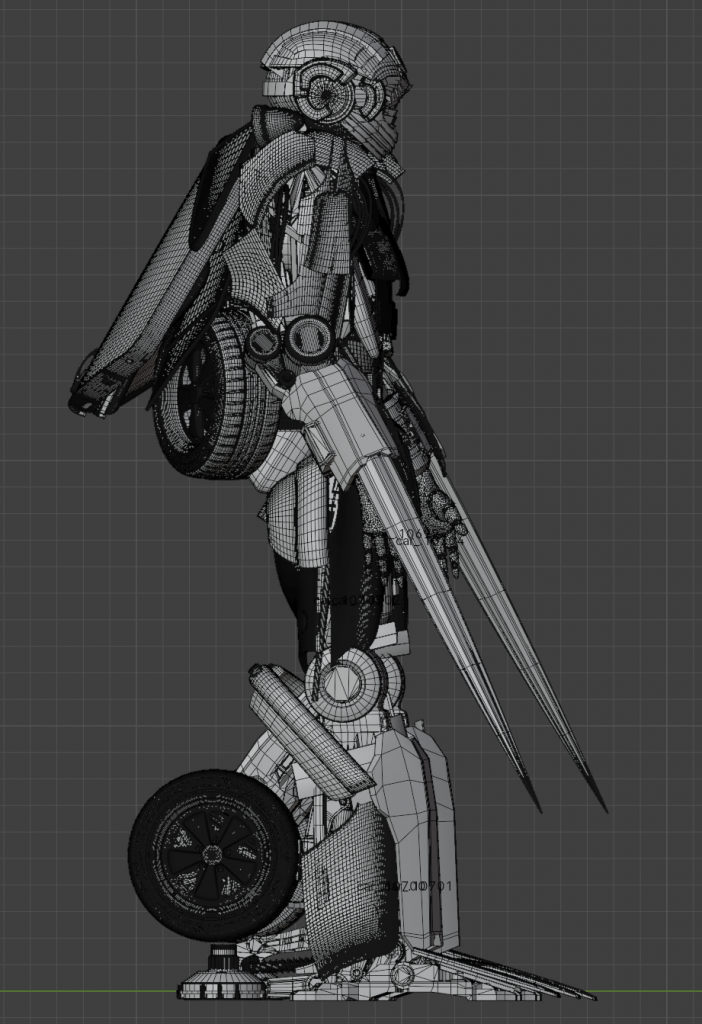
Split into several parts in order to make transforming animation
ROBOT
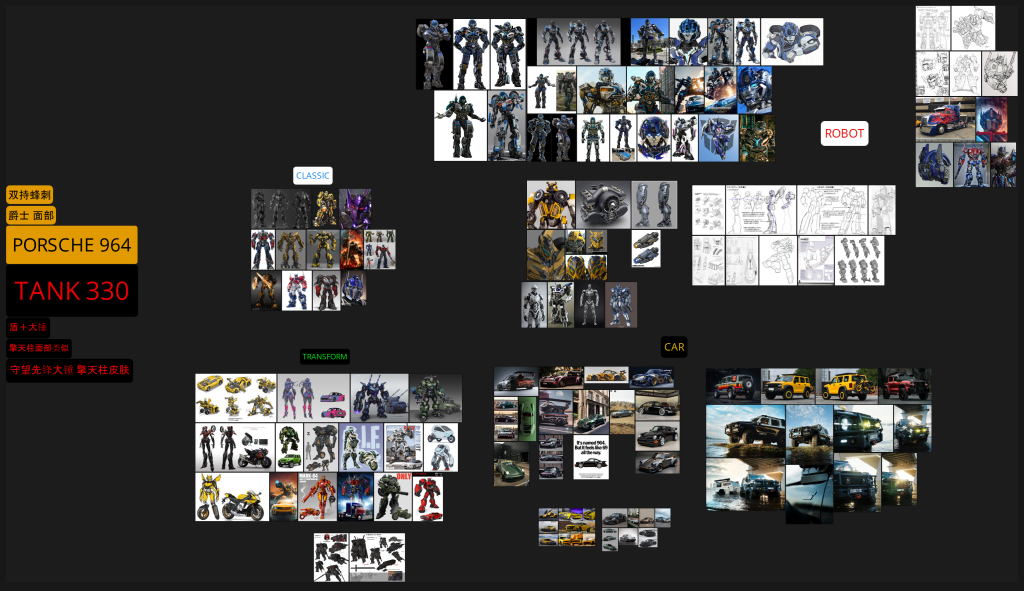
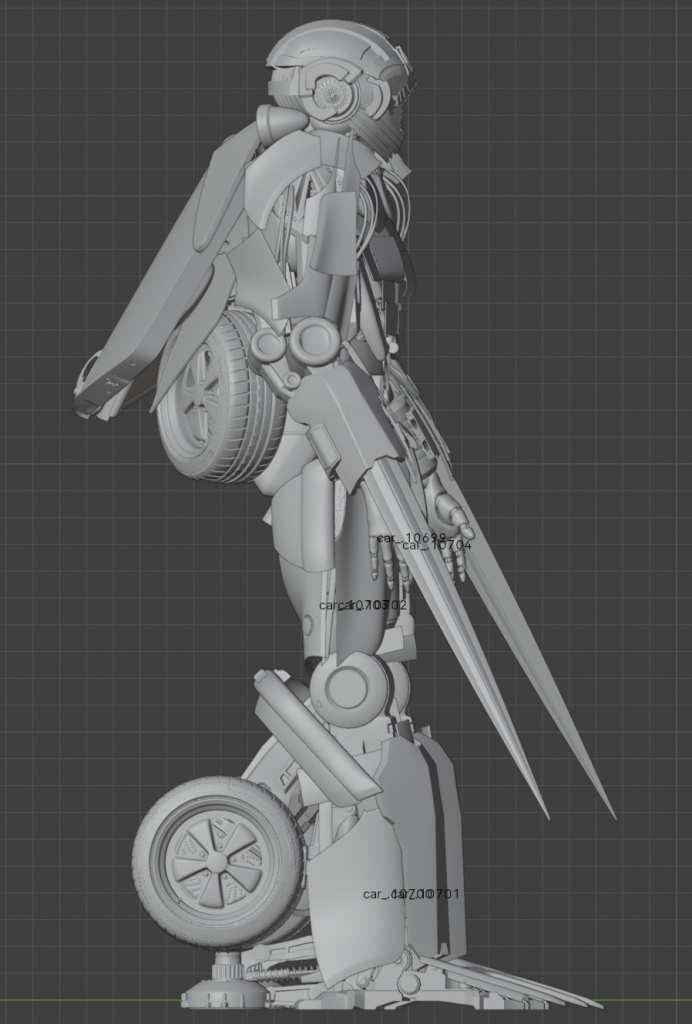
Using Car`s parts producing the robot
Got details of the car, with stream line form body
SCENE DESIGN
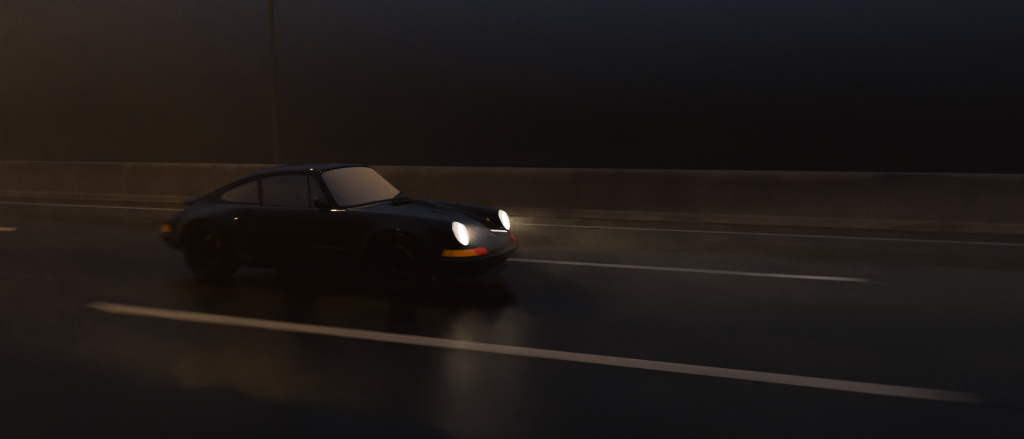
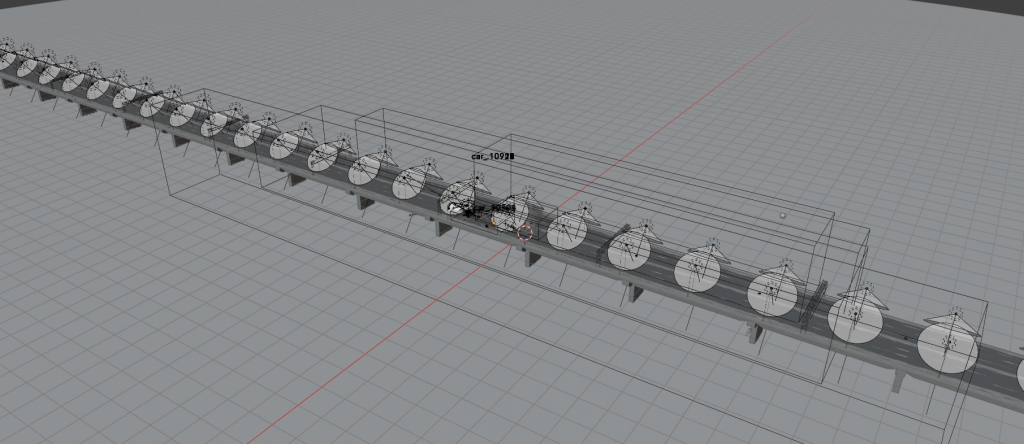
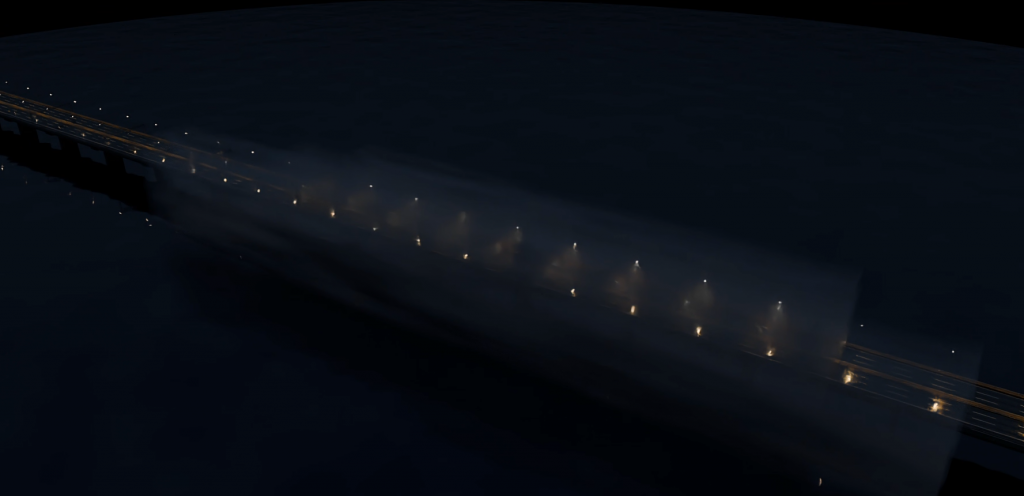
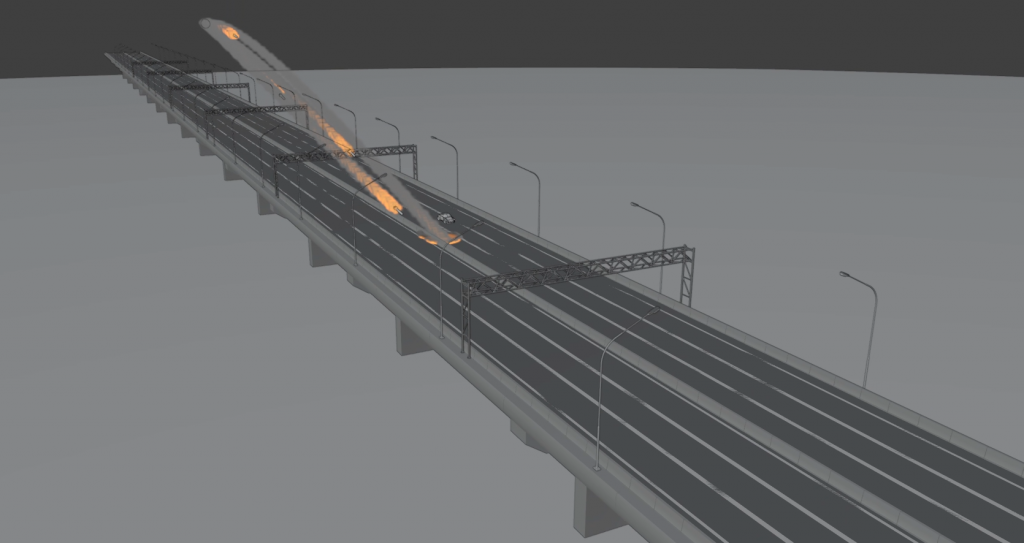
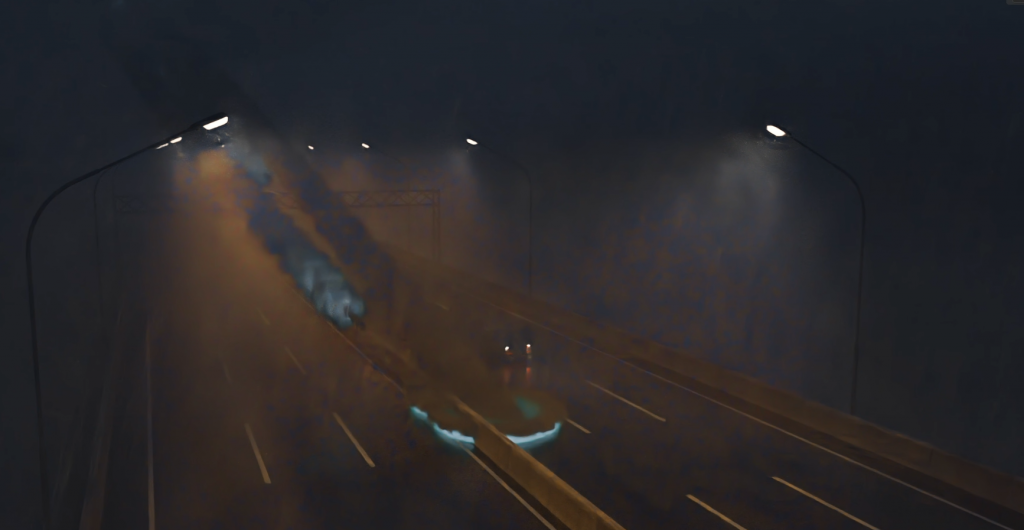
A cross-sea bridge on a foggy night, during the middle of the night.
ANIMATION
This time, the focus is on an action-oriented project, so action design is a key highlight of this project.
The project schedule is relatively tight, so only a basic version of the initial dynamic storyboard was created. All subsequent action polishing will be completed directly within the software.
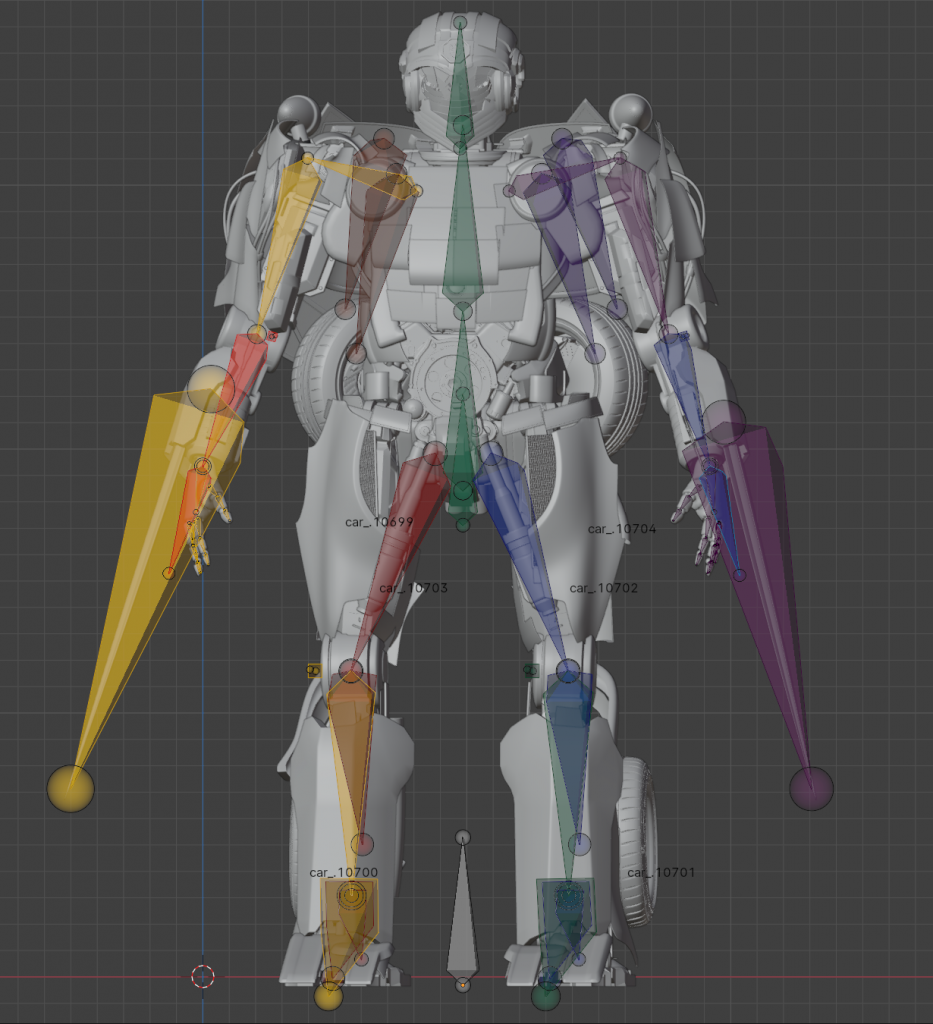
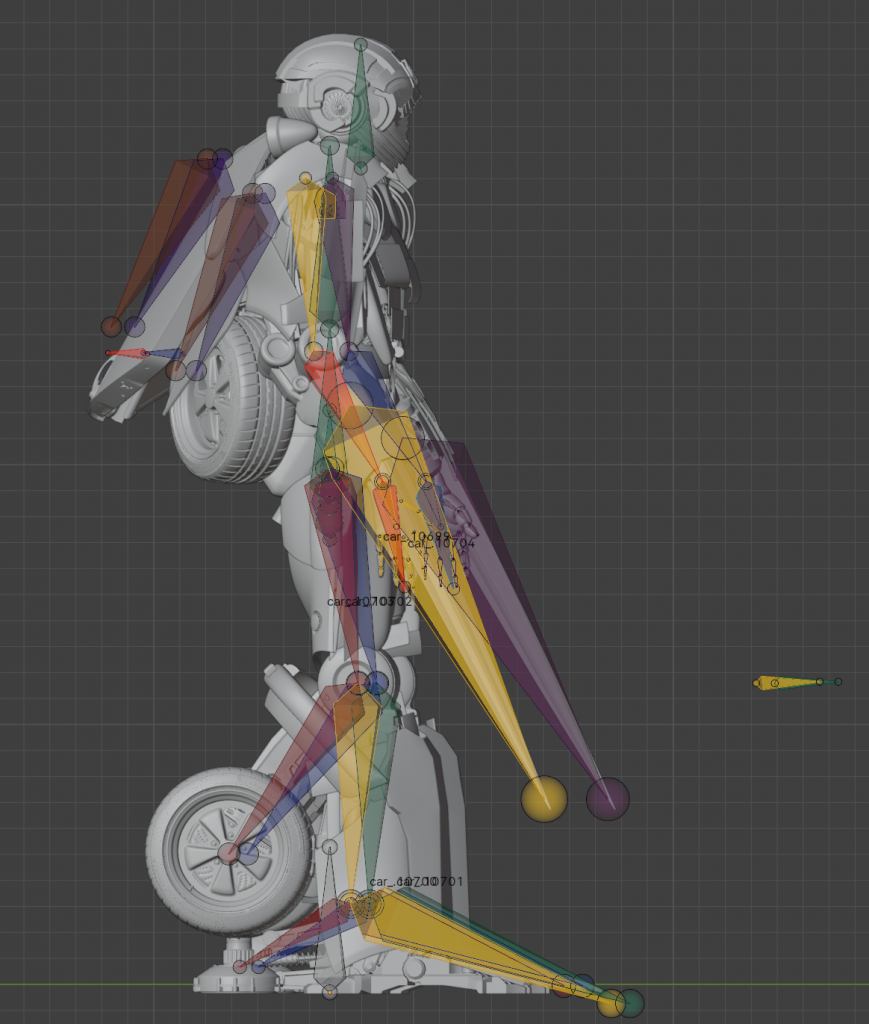
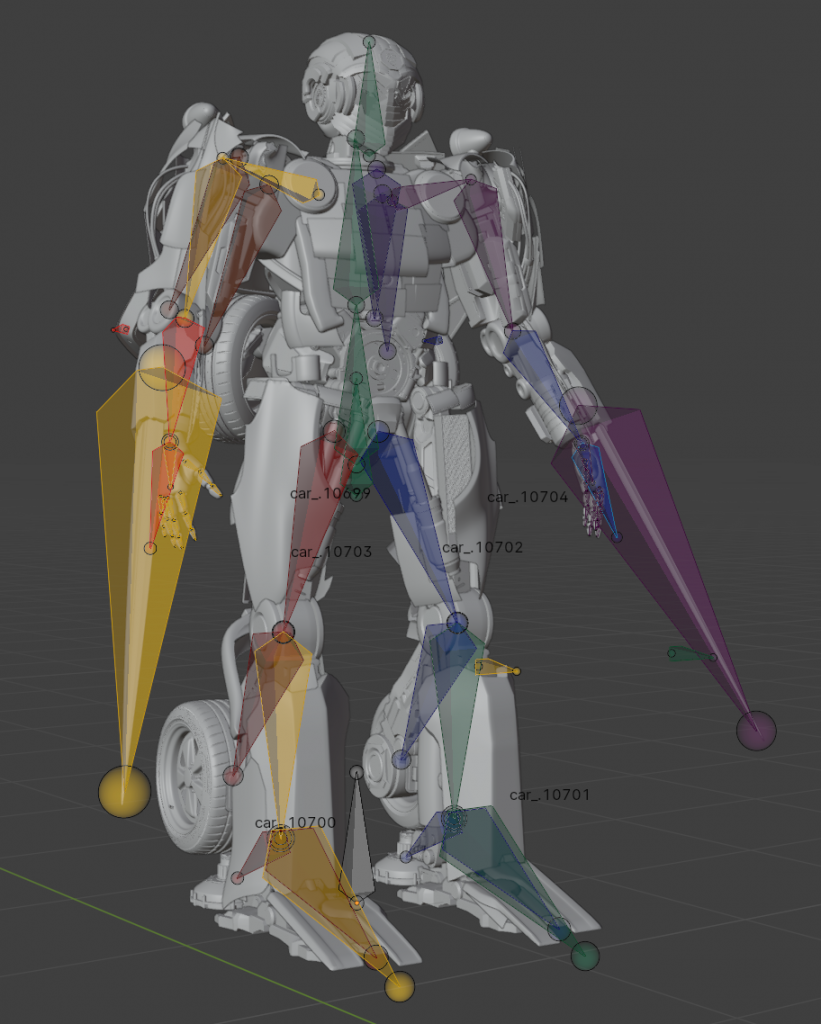
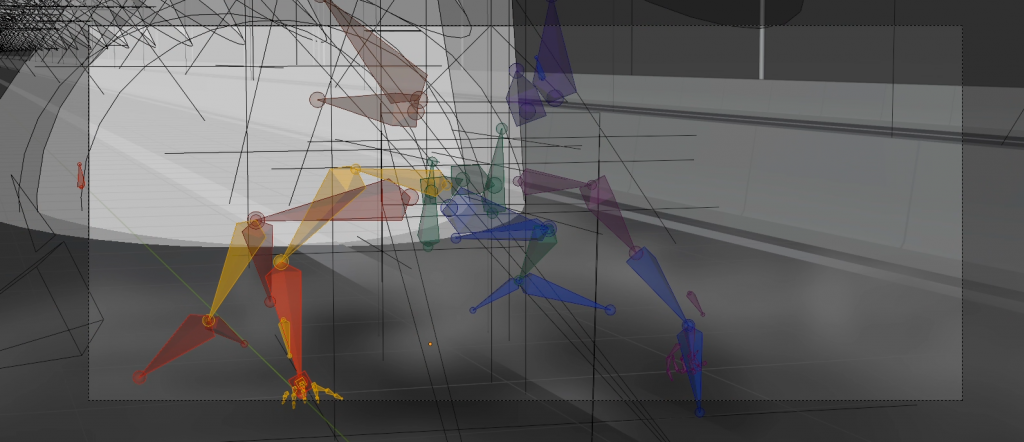
During the animation polishing phase, since the rigging was relatively simple this time and the skeleton didn’t include any special controllers but instead retained a shape similar to the model, the skeleton’s shape was directly used as a reference for the animation.
For this rigging, due to the complex structure of the robot’s lower body and the non-overlapping anchors, a detailed rig would require more controllers to drive the movements. Therefore, to simplify the rigging process, IK was not used; instead, FK was fully utilized for animation production.
The process involved first creating a basic version of the animation storyboard, followed by polishing the skeleton animation. Since FK was used entirely and the skeleton wasn’t perfectly aligned with the model, adjustments for clipping issues had to be made after the polishing was completed.
RENDER
21:9_2560×1096
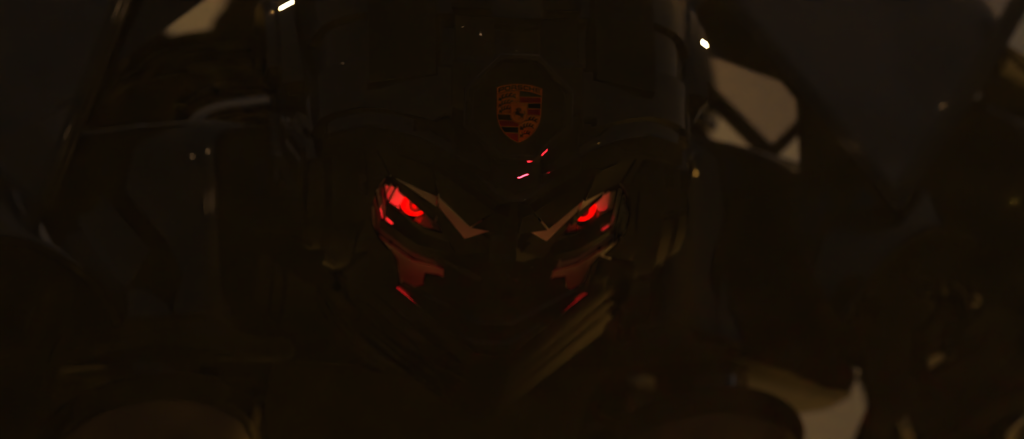
Since the scene is set at night, a higher level of motion blur was applied.
A large aperture was used.
COMPOSITE
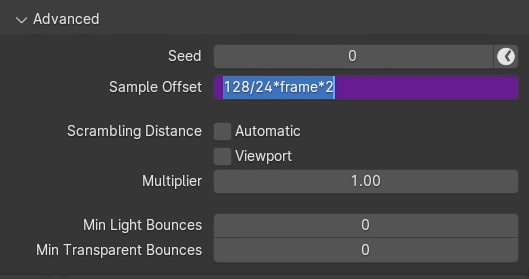
A method was used to achieve a flicker-free image by slightly offsetting the sampling sequence based on the rendered frame count.
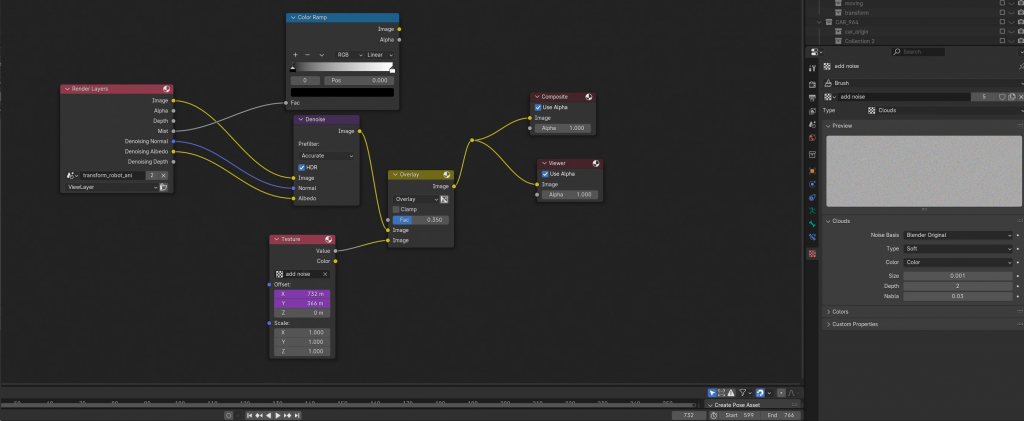
Node-based denoising was used.
Cloud textures were used to reintroduce noise after denoising, making the visuals appear more realistic.
VOICE DESIGN
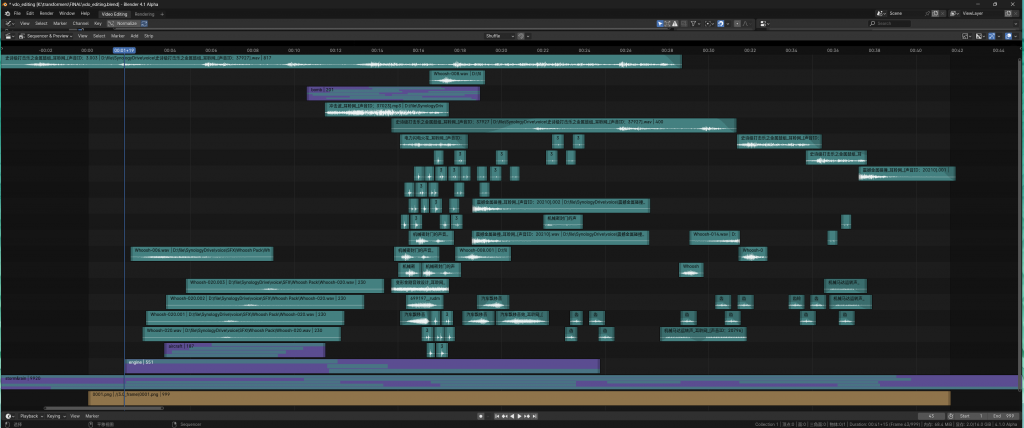
Symphonic music was used as the background score, with prominent drum beats added at each climax point.
Leave a Reply