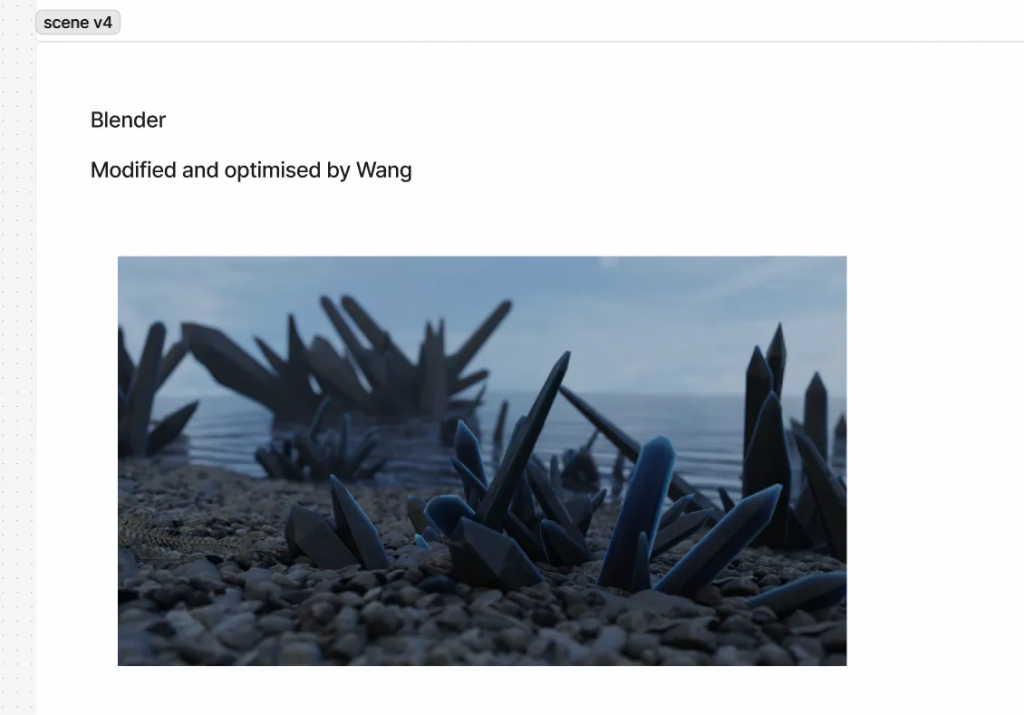
Directing My First CG Short: Reflections on Collaboration, Management, and Environmental Storytelling
This short film marks my first experience stepping into the role of a director within a CG production. It was not simply a test of technical execution, but also of leadership, communication, and collective creativity. Throughout the process, I encountered challenges that revealed how much room I still have to grow in terms of project management. Directing a film, I discovered, is fundamentally different from managing a student council or a campus club. Transferring old methods of centralized command into this context would be irresponsible. A small, low-budget creative team follows its own logic, requiring new strategies to bind people together.
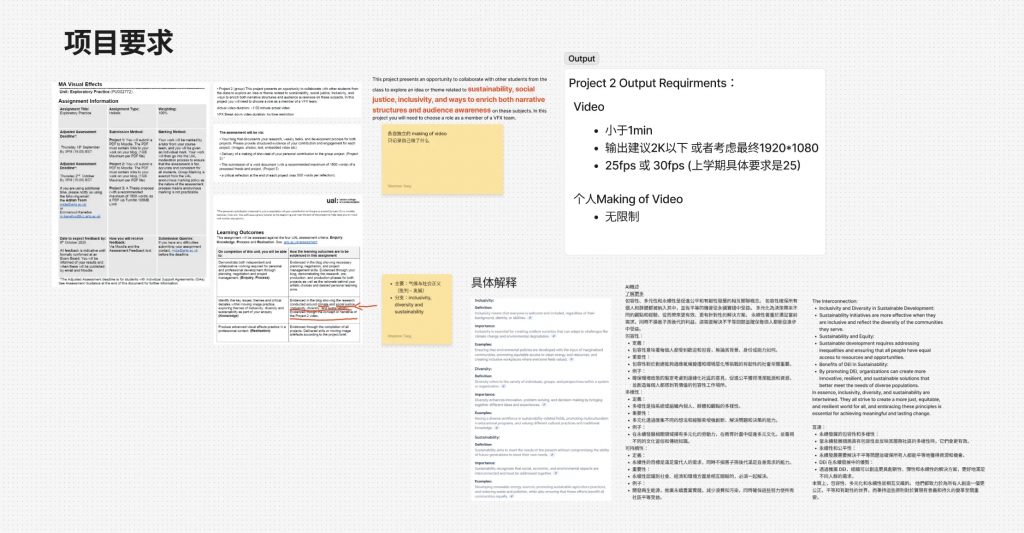
Two Types of Creative Contributors
My earlier experiences in student organizations taught me that efficiency often came from unification: a single voice, a centralized structure, and clear orders to maximize execution. But filmmaking within a small creative team proved otherwise. In such contexts, efficiency does not necessarily equate to artistry or satisfaction. The presence of multiple creative voices demands a more nuanced approach.
I came to recognize two broad archetypes of collaborators:
- The diligent type: These contributors excel at following explicit direction. They work hard to approximate the director’s vision but rely heavily on precise, detailed guidance. Their productivity depends on the clarity of the director’s descriptions.
- The creative type: These individuals thrive when given autonomy. Their satisfaction derives from producing something original, something they themselves find impressive. Excessive restriction tends to suffocate their potential, often yielding weaker results than expected.
In practice, I often mismatched tasks with personalities: giving overly prescriptive instructions to those with strong independent ideas, while offering too much freedom to those who preferred step-by-step guidance. The result was predictable frustration—my “1:1 imagined effects” returned as misaligned interpretations, while my invitations for free creation only succeeded when accompanied by detailed demos.
This, however, is the essence of directing: learning to align different types of collaborators with different tasks. Routine, rule-bound segments should go to those who value structure. Ambiguous or open-ended creative problems should be entrusted to those who thrive on freedom. Striking this balance not only prevents inefficiency but also raises the artistic ceiling of the work, creating the possibility of unexpected breakthroughs.
Decentralization and Collective Authorship
Another valuable insight emerged: what if everyone on the team is highly creative? In such cases, decentralization becomes not a threat but an asset. Rather than negotiating every detail into consensus, it is sometimes more fruitful to allow each artist to work independently around a shared theme, asset, or thread of continuity. These fragments can then be assembled in post-production, producing a collage-like final work that reflects plural authorship. Far from chaos, this method can generate surprising cohesion through juxtaposition.
Pollution, Mutation, and the Politics of Imagination
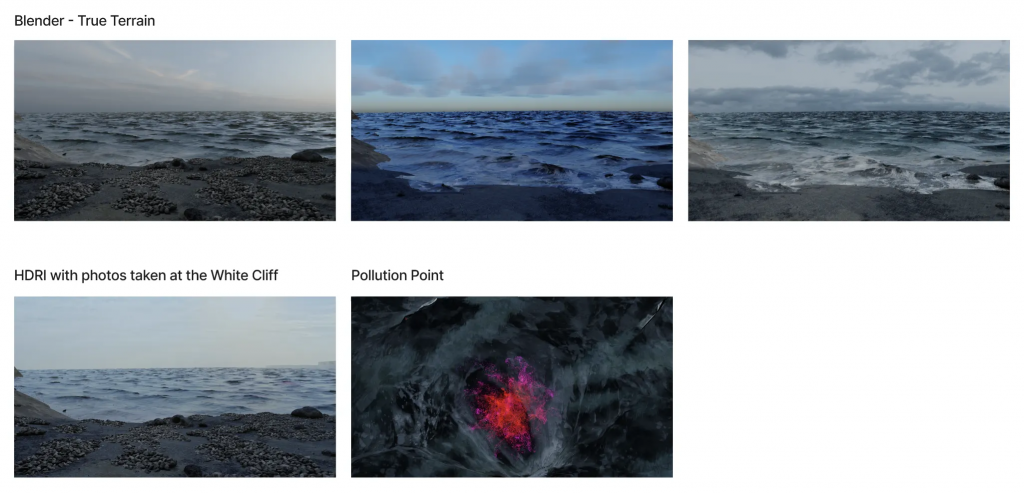
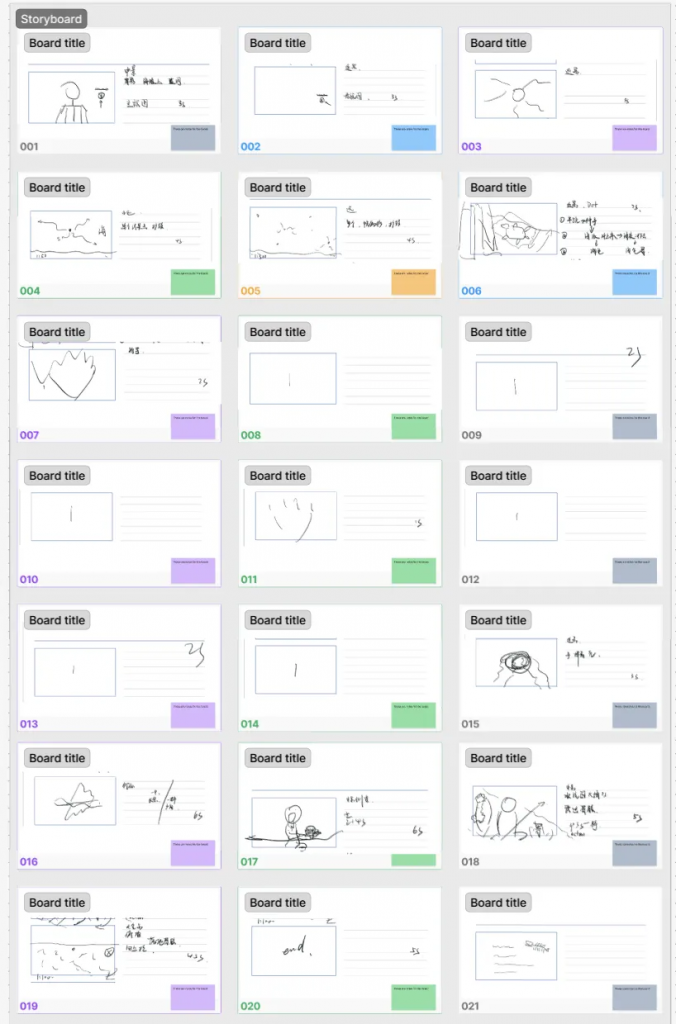
Turning back to the film itself: the thematic focus is marine pollution, with particular emphasis on the controversy surrounding nuclear wastewater. Nuclear contamination is not only an ecological crisis but also a cultural trauma—it annihilates marine life while simultaneously invoking images of mutation and irreversible decay. From this premise we developed the motif of “pollution-induced mutation.”
Our method was not to instruct viewers through slogans or abstract appeals but to stage a world in which the consequences of pollution had already arrived. By building an extreme, speculative scenario, we invited audiences to consider how worsening contamination might affect marine life and, ultimately, humanity itself. The allegory operates not as distant warning but as an immersive confrontation. We wanted viewers to feel suffocation, despair, and the inescapability of collapse—not merely to hear a call for responsibility.
Visual Language of Catastrophe
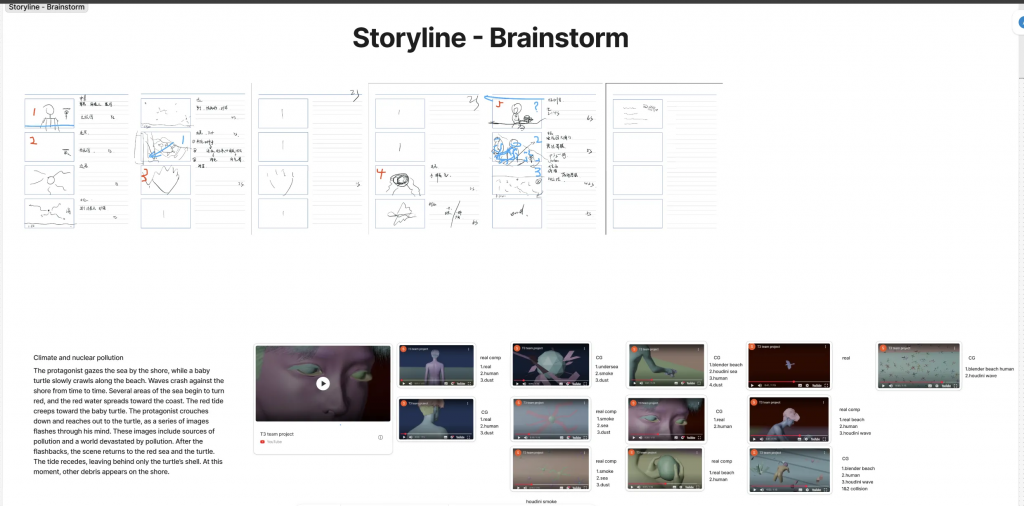
The narrative follows PEO, a digital human protagonist, who receives a faint message from Blue Star on the day of destiny’s turning. The voice is less thunderous than whisper-like, guiding him toward the origin.
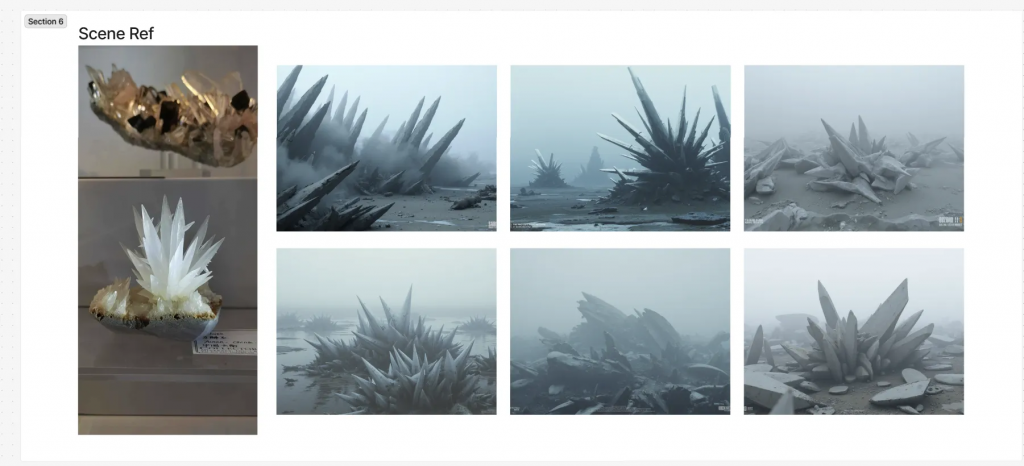
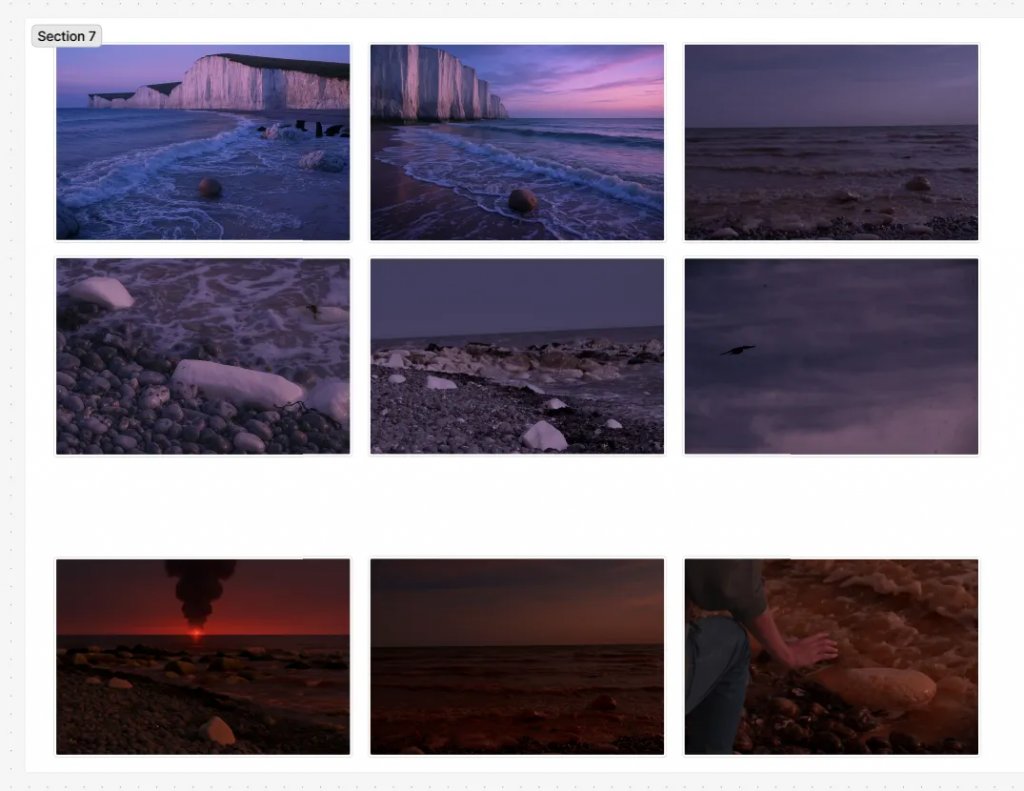
The ocean begins in silence, then ruptures as nuclear cores coalesce and expand. Waters turn scarlet, waves writhe, and once-free beings dissolve into bone. The land fractures; hostile thorns erupt skyward. Dust obscures the sun, and the earth becomes a wasteland with no refuge. Under nuclear radiance, familiar landscapes dissolve into alien desolation.
This imagery was intentionally excessive. As Susan Sontag once observed about representations of disaster, catastrophe imagery functions as both spectacle and warning. By pushing visual exaggeration—oceans dyed red, thorns piercing the earth—we sought to collapse distance between viewer and crisis. What is imagined here could one day become lived reality.
On the threshold of fate, I received Blue Star’s call.
The sound, like an ancient bell, crossed the void, guiding me on the day of turning, back to the origin.The ocean trembles. The nuclear heart gathers in the abyss, then bursts forth like fire. Scarlet tides roll, igniting boundless waters into a crimson inferno. Waves roar, and free spirits decay, leaving behind only bones glowing faintly under the eternal light.
The earth splits; wild thorns spear toward the sky. Streams congeal like molten blood and iron. The heavens are veiled in dust and shadow. The paradise of old is gone, life withers and warps under nuclear radiance.
Thus the world falls into wilderness, into a hell bereft of refuge.
Toward an Ethics of Aesthetic Immersion
This project is, in essence, an allegory of pollution. We cannot rely on abstract moralism—“you should protect the environment”—because such imperatives often feel empty. Instead, the work attempts to cultivate affective proximity: to make the audience feel the weight of loss, despair, and urgency. When viewers imagine “this could be our future,” the horror becomes visceral. Only such embodied realization can translate into ethical action.
In the end, the question is not whether audiences understand the problem—most already do—but whether they are moved deeply enough to recognize environmental action not as obligation but as necessity for survival. Art, in this sense, becomes not merely representation but intervention.
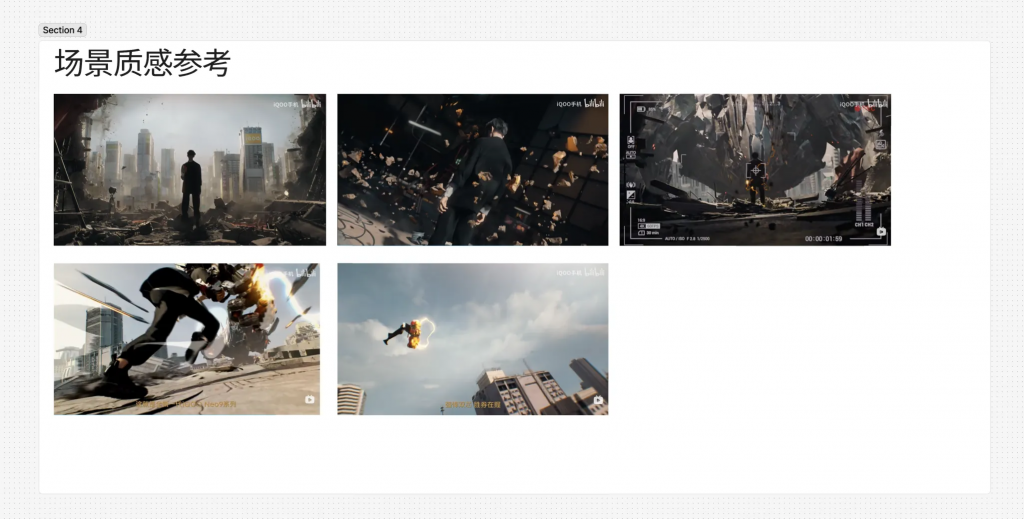
scene ref